Upcoming Workshops
This Month’s Workshop:
Dynamics: Playing with Feeling
When: Monday, May 4th
Time: 7:15pm
Where: Online Zoom
Next Month’s Workshop:
From Exercises to Songs
When: Monday, June 1st
Time: 7:15pm
Where: Online Zoom
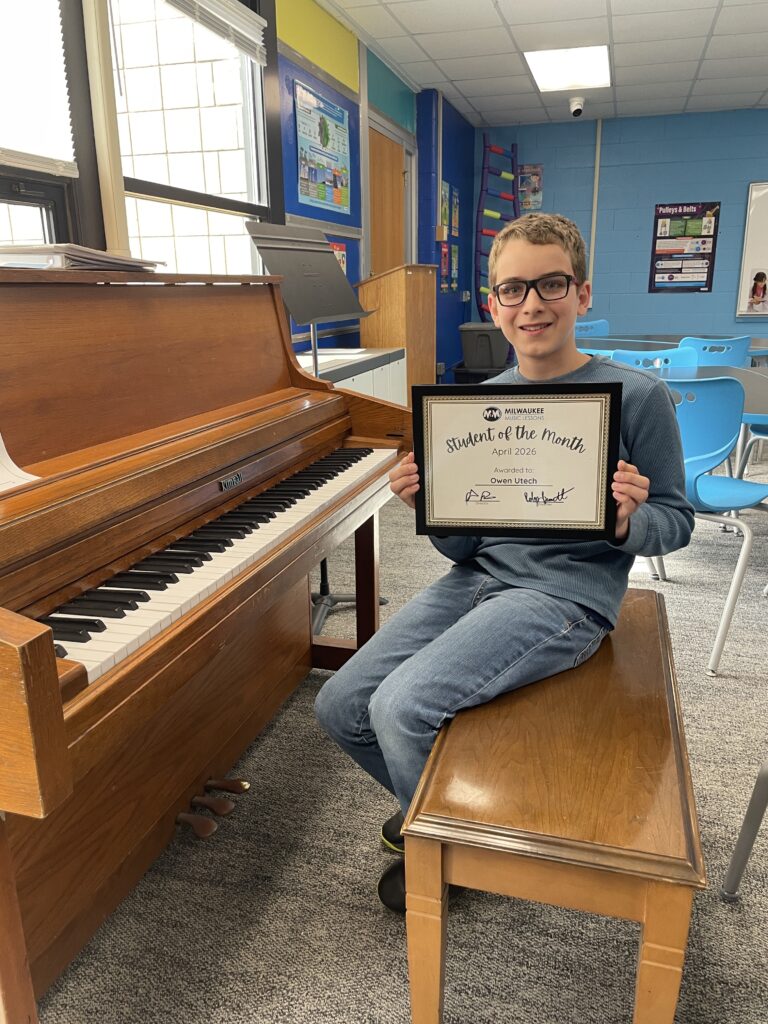
Student of the Month
Owen has been working hard this year. He earns April’s student of the month not just for his hard work but for his incredible job transcribing songs by ear. He’s shown what a good ear is truly capable of and is a great example for all students.
Name: Owen
Instrument: Piano
Time With Us: 8 Months
Favorite Song We’ve Learned So Far: Fur Elise
Dream Song To Learn: Rush E
Impressive Feat: Trying and learn songs by ear like Star Wars theme
Alex's Cool Music Gear of the Month
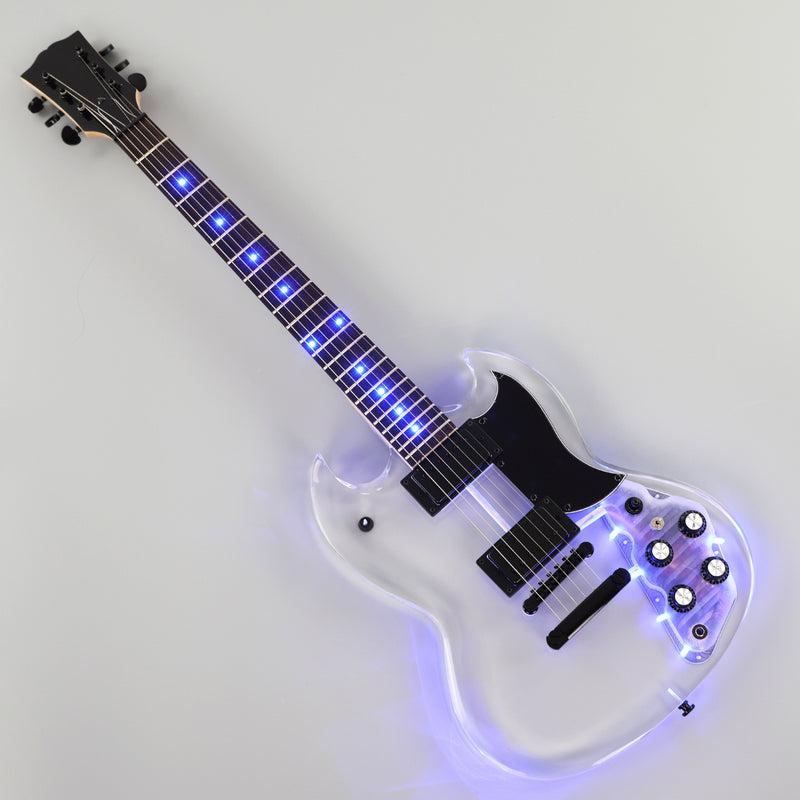
Have you ever wanted to see inside your guitar while you play it? Clear-body guitars let you do exactly that. The whole body is see-through, so you can watch the springs move, see where the pickups sit, and spot all the parts that make your sound happen. It feels less like a normal guitar and more like something out of a cool science lab.
What makes this really fun is how it changes the way you think about playing. Instead of guessing what your guitar is doing, you can actually see it. When you use the whammy bar, you can watch the springs stretch. When you pick the strings, you know exactly where the sound is being picked up. It makes everything feel more real and easier to understand.
These guitars also make you want to play more. They look awesome, especially under lights, and they always get attention. When something looks this cool, you naturally want to pick it up again and again. That extra playing time is where real progress happens.
At the end of the day, a clear guitar isn’t just different—it’s exciting. It turns your instrument into something you can explore, not just practice. And when learning feels like exploring, you stick with it a whole lot longer.
Something New Is Coming This Summer…
Over the past year, a lot of you have asked for two things:
• A recital option that feels more relaxed and just-for-fun
• More chances to perform throughout the year
We’ve been listening.
This August, we’re adding our first-ever Summer Recital to the calendar – and it’s going to look and feel very different from our usual formal events. Think:
• Fun, low-pressure environment
• Casual vibe (no recital outfits required)
• A chance to celebrate the progress your kids make over the summer, not just during the school year
Save the date: Saturday, August 22.
We’ll be officially revealing all the details (including the unique location and how to sign up) live at our Spring Recital in May, with early access for families who are there.
For now, just circle August 22 on your calendar and start thinking about what “just-for-fun” song your student might want to play.
Power Chords to Full Chords
Many guitar players start with power chords because they are simple and strong. Power chords use just two notes, often played on the low strings. They sound bold and clear, which is why they are used in so many rock songs.
For beginners, power chords are a great starting point. A common example is playing the 3rd fret on the low E string and the 5th fret on the A string. This shape can move up and down the neck easily. It helps build finger strength and teaches you how to play in time without worrying about too many notes.
As you improve, you can start adding more notes to these shapes. When you add the third of the chord, the sound changes. It can feel brighter or darker depending on the note you choose. This is what turns a simple power chord into a full chord with more character.
At the intermediate level, chords become more flexible. You can add extra notes or use movable shapes across the neck. These shapes allow you to play the same type of chord in different places. This opens the door to more styles and more interesting sounds.
When practicing, start with clean, simple shapes and focus on smooth transitions. Add new notes slowly and listen to how the sound changes. Power chords are a great foundation, but full chords give your playing more color and expression.

Playing With Good Tone (Even on a Keyboard)
Good tone on piano means your notes sound clear, even, and controlled. Many students think tone only matters on acoustic pianos, but it matters just as much on a keyboard. How you touch the keys changes how the music feels, even if the sound is digital.
For beginners, good tone starts with finger strength and posture. Sit up tall with relaxed shoulders and curved fingers. Avoid flat fingers or collapsing joints. Each finger should press the key with control, not force. Try playing a simple five-note pattern slowly and listen for even sound from each finger.
As you improve, tone becomes more about control than strength. You begin to shape how loud or soft each note is. This is called dynamics. Instead of playing everything at the same volume, you can make some notes stand out while others stay gentle. This adds life to the music.
At the intermediate level, phrasing becomes important. Phrasing is how you group notes together, like sentences in speech. Some notes lead forward, while others feel like a stopping point. Playing with good tone means guiding the listener through these shapes, not just pressing keys.
When practicing, slow down and listen closely to every note. Focus on relaxed hands and steady control. Even on a keyboard, good tone makes your playing sound more musical and expressive. Small changes in how you touch the keys can make a big difference.

Playing Soft Makes You Better
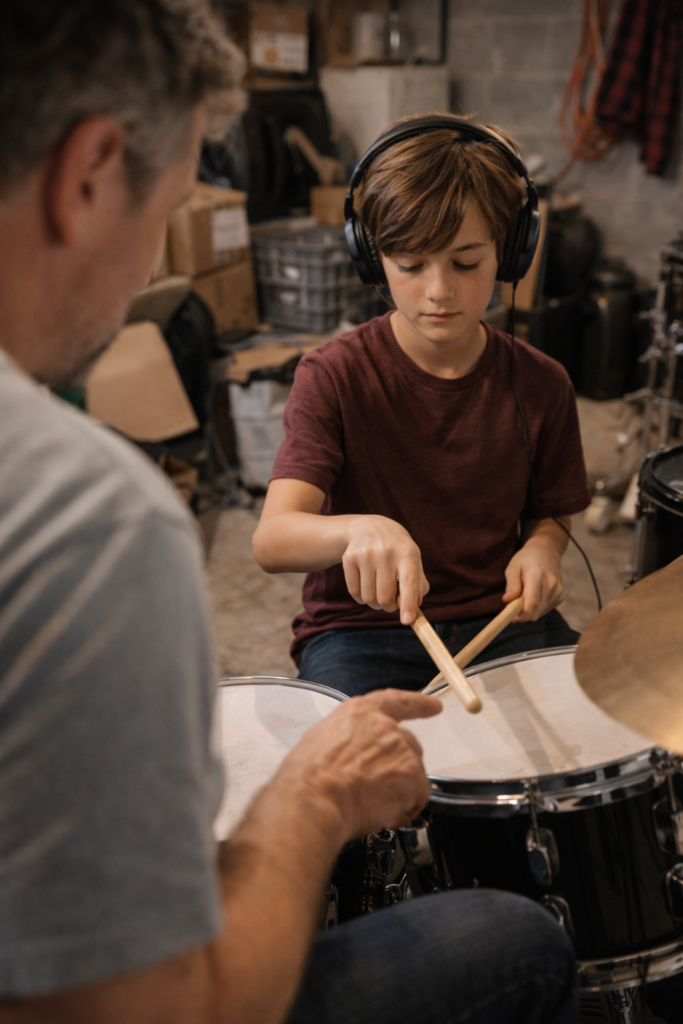
Many drummers think playing louder means playing better. In reality, learning to play soft is what builds control. When you can control quiet notes, loud playing becomes easier and cleaner. Soft playing trains your hands to be precise instead of forceful.
For beginners, this starts with controlled strokes. Try playing simple hits on the snare at a low volume. Each stroke should sound clear and even. Avoid letting the stick bounce out of control. Focus on guiding the stick with your hands instead of letting it fall.
A great way to practice is by playing a basic beat quietly. Keep the hi-hat, snare, and kick at a lower volume while staying steady. This builds awareness of how each limb feels. It also helps you notice small mistakes that are easy to hide when playing loud.
As drummers improve, soft playing leads to better dynamic range. This means you can play both quiet and loud with control. Some notes can be strong, while others stay light. This contrast adds depth and makes grooves feel more musical.
At the intermediate level, touch becomes the focus. Touch is how the stick connects with the drum. Two drummers can play the same beat, but the one with better touch will sound smoother and more controlled. Soft playing helps develop this skill more than anything else.
When practicing, slow down and lower the volume. Listen for clean, even strokes. Playing soft may feel harder at first, but it builds the control that great drummers rely on. Over time, this makes every groove feel stronger and more confident.
Singing Louder vs. Singing Better
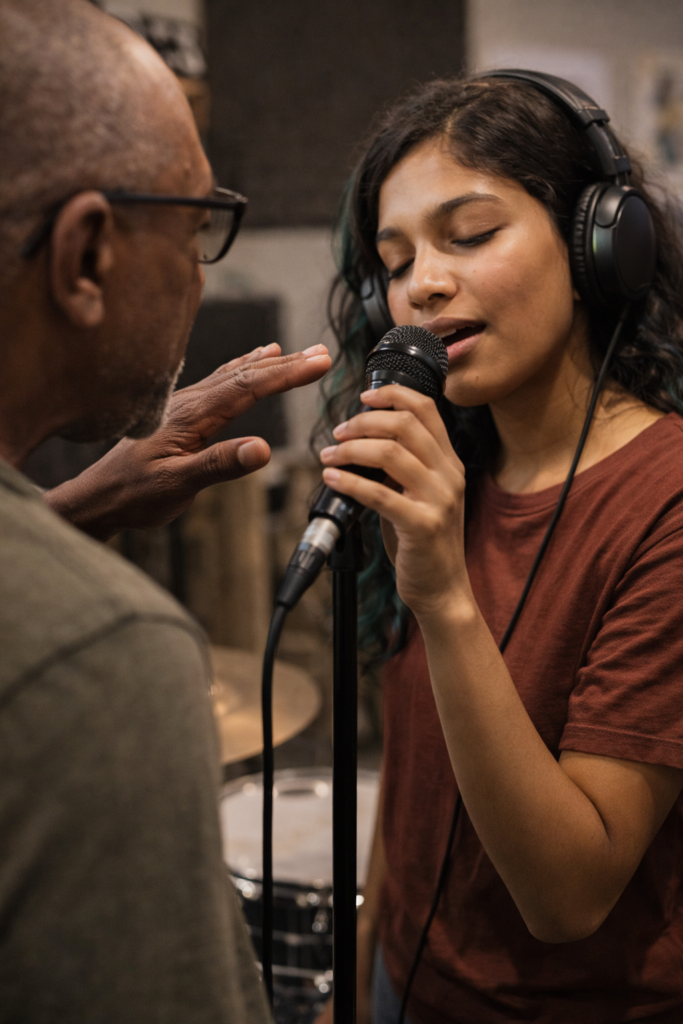
Many singers think louder means better. In reality, better singing comes from control, not volume. Pushing your voice too hard can lead to tension and strain. A clear, steady tone at a comfortable volume will always sound stronger than forced loud singing.
For beginners, focus on healthy volume. This means singing at a level that feels easy and relaxed. If your throat feels tight or tired, you are likely pushing too much. Try singing a simple note and keep the sound smooth and calm. Think of speaking clearly instead of shouting.
Good posture and breathing help with this. Stand or sit tall, keep your shoulders relaxed, and let your breath support the sound. When your body is set up well, you do not need to force volume. The voice can do its job naturally.
As singers improve, the goal shifts to resonance and projection. Resonance is how your voice uses space in your mouth and head to create a fuller sound. Projection means your voice carries without strain. Instead of pushing harder, you let the sound travel more freely.
At the intermediate level, this creates a bigger sound without extra effort. A well-supported, resonant voice can fill a room even at a moderate volume. This is what makes singing feel strong and confident instead of forced.
When practicing, stay relaxed and listen for clear, steady tone. Avoid the urge to get louder just to sound better. Strong singing comes from control, balance, and good habits. Over time, this leads to a voice that feels easier to use and sounds much more powerful.
Mistakes Are Part of Learning
Mistakes can feel frustrating, especially when you are trying to improve. Many students think mistakes mean they are doing something wrong. In reality, mistakes are a normal and important part of learning music. Every musician makes them, even at a high level.
For beginners, the goal is getting comfortable being imperfect. You will miss notes, play the wrong rhythm, or lose your place. That is expected. Instead of stopping every time something goes wrong, try to keep going. Learning to stay calm and continue playing builds confidence and helps music feel more natural.
Mistakes also show you where to focus. If a chord change keeps falling apart or a rhythm feels off, that is useful information. It tells you exactly what needs more attention. Small problem areas are where the most growth happens.
At the intermediate level, mistakes become feedback. Instead of feeling frustrated, you can start asking simple questions. Was that too fast? Was my timing off? Did my hand position change? This turns practice into problem-solving instead of repetition.
When practicing, slow things down and work through tough spots one piece at a time. Stay patient and keep a steady mindset. Mistakes are not something to avoid. They are part of the path forward. The more you learn from them, the faster you improve and the more confident your playing becomes.
Student Milestones
1 Month
Dion M.
Landon L.
Jeff S.
Kaley G.
Alexander H.
3 Months
Bawi S.
Craig S.
Naomi H.
Nolan P.
Riley H.
Hannah B.
Sarah N.
6 Months
Lauren A.
Charlie H.
Kellen C.
9 Months
Erik K.
William S.
Arthur D.
1 Year
Aaron S.
Anaka G.
18 Months
David S.
Robbie F.
30 Months
Jacob M.
Lotti M.
More News